April 20, 2026
The Festival Was Never the Problem. The Brief Was.
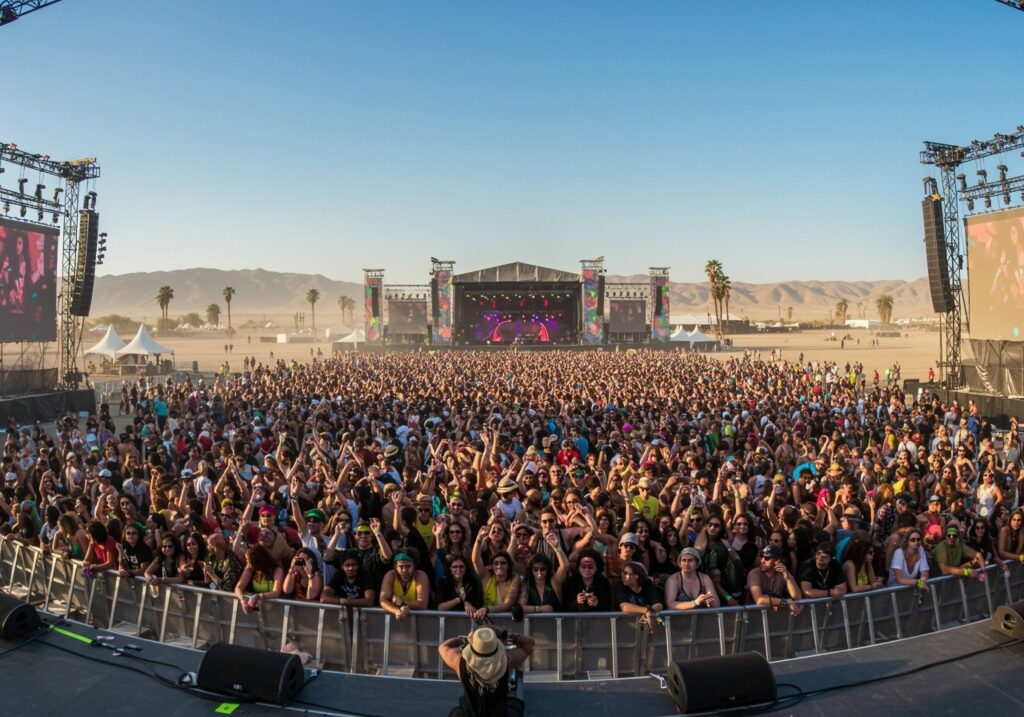
Every April, Coachella becomes a stress test for the influencer marketing industry, and every year, the industry manages to fail it in new and creative ways.
This year was different only in how obvious the disconnect became.
5 minutes
Creators were promised brand trips and ghosted. Feeds were flooded with content so scripted and sanitized that completely nauseated audiences. People are not tired of their favorite creators, they’re tired of hearing someone be “so excited” to sell them the latest QVC-like product.
What happened at Coachella 2026 isn’t a creator problem. It’s a clear sign that most brands still don’t know who actually holds the influence and how to unlock it in an authentic way.
The foundational mistake brands keep making is that they believe influence flows from them.
They set the agenda. They write the brief. They select the creator to execute their vision and deliver their message to an audience they’ve pre-identified in a media plan.
That model is not just antiquated, it’s incorrect.
Creators and their communities are the ones moving culture. Not the algorithm, the activation budget, or the brand. Those elements can amplify and accelerate, but they cannot drive.
The creator with 80,000 followers who lives and breathes a subculture, who has built real trust, real language, real rituals with their audience, they are the ones with the influence. The brand is a visitor in a world they didn’t build.
When you misidentify who holds the pen, everything downstream breaks.
The content feels forced because it is. The audience disengages because they can tell the creator isn’t speaking authentically; they’re reciting lines that were fed to them. And the creator, who gave up their credibility to deliver a message that wasn’t theirs, walks away with a check and a smaller audience than they started with.
That’s not influence. That’s rented attention slowly leaking down the drain.
To complicate things, there’s a generational dimension to this that brands are dangerously slow to absorb.
Gen Z and Gen Alpha were not raised as passive consumers of culture. They were raised in Roblox and Discord and Minecraft, worlds built entirely on co-creation, world-building, and participation. They don’t watch culture and then decide whether to buy something. They make culture, and they expect the brands that want their attention to understand the difference.
A brand showing up to Coachella with a content strategy and a shot list is not running an influencer strategy. They’re running a commercial shoot at a music festival and calling it culture. We can all smell it, and increasingly, the metrics smell it too. You cannot script participation in a world that was built for co-creation. The attempt doesn’t just fail; it sends a signal to the audience that you have no idea how this works.
So what does it look like when it works?
It looks like treating creators not just as executors of the brief, but as its authors.
Real co-creation means bringing creators into the room before the concept is set. It means asking them what their audience actually cares about, not just what demographic they index against. It means giving them the creative latitude to build something that feels native to their world, and trusting that when it does, it will land in ways no polished brand brief ever could.
The brand brings the resources, the budget, the platform, and the product context. The creator brings the cultural truth: the relationship with their community, the instinct for what’s real, and the voice that their audience showed up for. When those two things meet, the content feels earned rather than sponsored, and earned attention compounds in ways paid reach simply doesn’t.
This is the model that survives what Coachella and other Influencer Olympic-level events continue to expose. You can’t solve this with a bigger budget or a better shot list. There must be a fundamental restructuring of who holds creative authority from day one.
The bottom line
The brands that will win this era of culture-driven marketing are not the ones with the biggest activation footprints at the festival. They’re the ones who built real relationships with creators long before the lineup dropped, and who showed up as collaborators, not clients.
Culture doesn’t belong to brands. It never did, but brands that genuinely invest in the people who make it will always have a seat at the table. The rest will keep renting attention they can’t afford to lose.
Key Takeaways:
- Creators don’t just execute the brief, they write it. Stop selecting creators to deliver your message and start inviting them to shape it. The brands winning right now are the ones who show up as collaborators before the concept is set.
- You can’t buy cultural credibility, you have to earn it. Audiences, especially Gen Z and Gen Alpha, can smell a transactional relationship from a mile away. Actual influence is built through trust, not transactions. Invest in creator relationships before you need them.
- Co-creation isn’t a tactic. It’s a strategic pillar. Real change means rethinking who holds creative authority from day one. That’s not a casting decision, it’s a strategic one.
In closing, if you want content, write the brief. If you want culture, co-create it.
Related

Milla Stolte - Chief Strategy Officer
December 18, 2025
The 2026 Organic Social Growth Playbook: How Fandom Drives Real Revenue
In 2025, the brands that grew the fastest weren’t the ones flooding feeds with more content.
Jay Goodwin - Strategy Director
April 15, 2026
Sonic Branding
Sound reaches the brain quickly and connects directly to emotion, making it one of the most powerful tools brands underuse. Brands that design with sound from the start build stronger recall, deeper trust, and measurable impact.